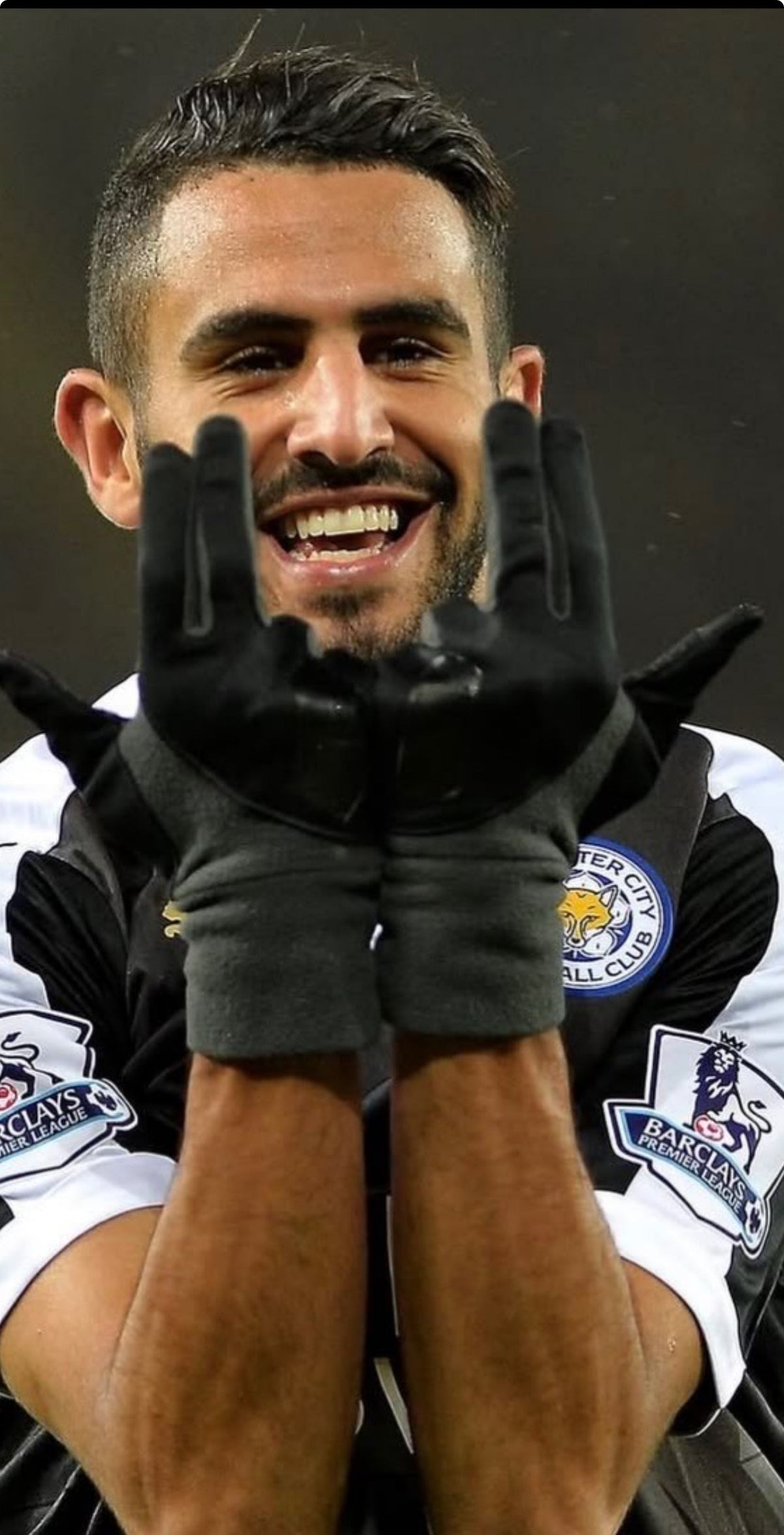
WHAT IS THE JUL SIGN?

The JUL sign is one of the most recognizable gestures connected to Marseille, French rap, and the powerful cultural identity of the city. It is associated with Jul, the hugely popular French rapper from Marseille who has become one of the most respected and influential artists in the city. Jul is much more than a rapper to many people in Marseille: he represents a particular mentality, an unmistakable local culture, and the pride that many people feel toward their city. Over the years, his music and image have become deeply connected with Marseille, making the JUL sign recognizable far beyond the world of French hip-hop.

The JUL sign is made using both hands, with the fingers positioned in a particular way to visually represent the name “JUL.” Rather than simply being an ordinary hand gesture, the movement became a kind of visual signature for the rapper and his supporters. The idea is that the hands and fingers create shapes that resemble the letters of JUL, turning the artist's name into a gesture that can be instantly recognized. Once people became familiar with the sign, it started appearing in photographs, concerts, celebrations, social media posts, and especially in football.
The gesture became particularly famous because of its connection with Olympique de Marseille, the legendary football club of the city. Marseille has always had an extraordinary relationship between football and local culture, and Jul naturally became part of that environment. His music is strongly associated with the city, while Olympique de Marseille represents the city's football identity. Because of this connection, the JUL sign became a popular way for players and supporters to show their attachment to Marseille and its culture. Seeing the gesture in a football context therefore carries a meaning that goes beyond simply celebrating a rapper.

One of the most interesting aspects of the JUL sign is how frequently Marseille players have used it. Players representing Olympique de Marseille have been seen making the gesture in celebrations, photographs, and moments connected with the club. For supporters, this can be a powerful symbol because it shows that players understand and embrace the culture of the city they represent. Footballers arrive in Marseille from different countries and backgrounds, but playing for the club can introduce them to the unique atmosphere of the city, its supporters, its music, and its traditions.

The connection can become so strong that the JUL sign is not necessarily forgotten when a player leaves Marseille. Some players who have moved on to other clubs have continued to demonstrate affection for the city and its culture. This is one reason the gesture has become so emotionally significant for Marseille supporters. It can represent a connection that goes beyond a contract or the number on a football shirt. A player may leave the club professionally, but the memories, friendships, experiences, and relationship with the city can remain.

This emotional connection is particularly understandable when considering what Marseille represents culturally. Marseille is one of France's most distinctive cities, with a personality that is difficult to compare with anywhere else in the country. It has its own accent, atmosphere, neighborhoods, traditions, music, football culture, and strong sense of identity. The city has always produced artists and personalities who proudly represent where they come from, and Jul has become one of the strongest modern examples of that phenomenon. His success has allowed the name of Marseille to travel around France and far beyond.

Jul's importance to Marseille also comes from the way he has built his career while remaining strongly connected to his origins. His music frequently reflects the language, mentality, experiences, and everyday life associated with Marseille. For many listeners, this authenticity is an important part of his appeal. He does not simply represent Marseille as a location; he represents a certain feeling and attitude associated with the city. Consequently, the JUL sign has become another extension of that identity, allowing people to communicate their connection with Jul and, indirectly, with Marseille itself through a simple gesture.
In football, gestures can become incredibly powerful because they allow players to communicate something instantly without saying a word. A goal celebration can represent a player's personality, a tribute to someone important, or a connection with a particular community. The JUL sign works in a similar way for people connected with Marseille. When a player makes the gesture, supporters can immediately understand the reference. It can feel like a small acknowledgment of the city, its people, and its culture. For a Marseille fan, seeing a footballer make the JUL sign can therefore create a much stronger reaction than an ordinary celebration.

The popularity of the gesture also demonstrates how music and football constantly influence each other. Marseille is a perfect example of this relationship. Rap is deeply embedded in the city's cultural landscape, while football is at the heart of its sporting identity. Jul sits directly at the intersection of these two worlds. His music is listened to by huge numbers of football fans, and footballers themselves can be fans of his work. The JUL sign provides a simple bridge between the two cultures, allowing a football player to celebrate a moment while simultaneously referencing one of Marseille's most famous musical figures.

Ultimately, the JUL sign is much more than a hand gesture. It has become a symbol associated with Jul, Marseille, local pride, music, football, and the emotional attachment that people can develop toward the city. Its recognizable shape, created with both hands to represent “JUL,” helped it spread widely and become part of popular culture. For Olympique de Marseille players and supporters, it can represent their relationship with the city and the culture surrounding the club. And even when players eventually leave Marseille, that connection can remain through memories and symbols such as the JUL sign. In that sense, the gesture perfectly reflects something special about Marseille: you can leave the city, but Marseille can stay with you forever.


Leave a comment
This site is protected by hCaptcha and the hCaptcha Privacy Policy and Terms of Service apply.